
Spray foam insulation
Expands on contact to seal gaps and deliver a high R-value in walls, roofs, and crawl spaces.
Learn moreServing Santa Maria, CA and surrounding areas. (805) 867-6950
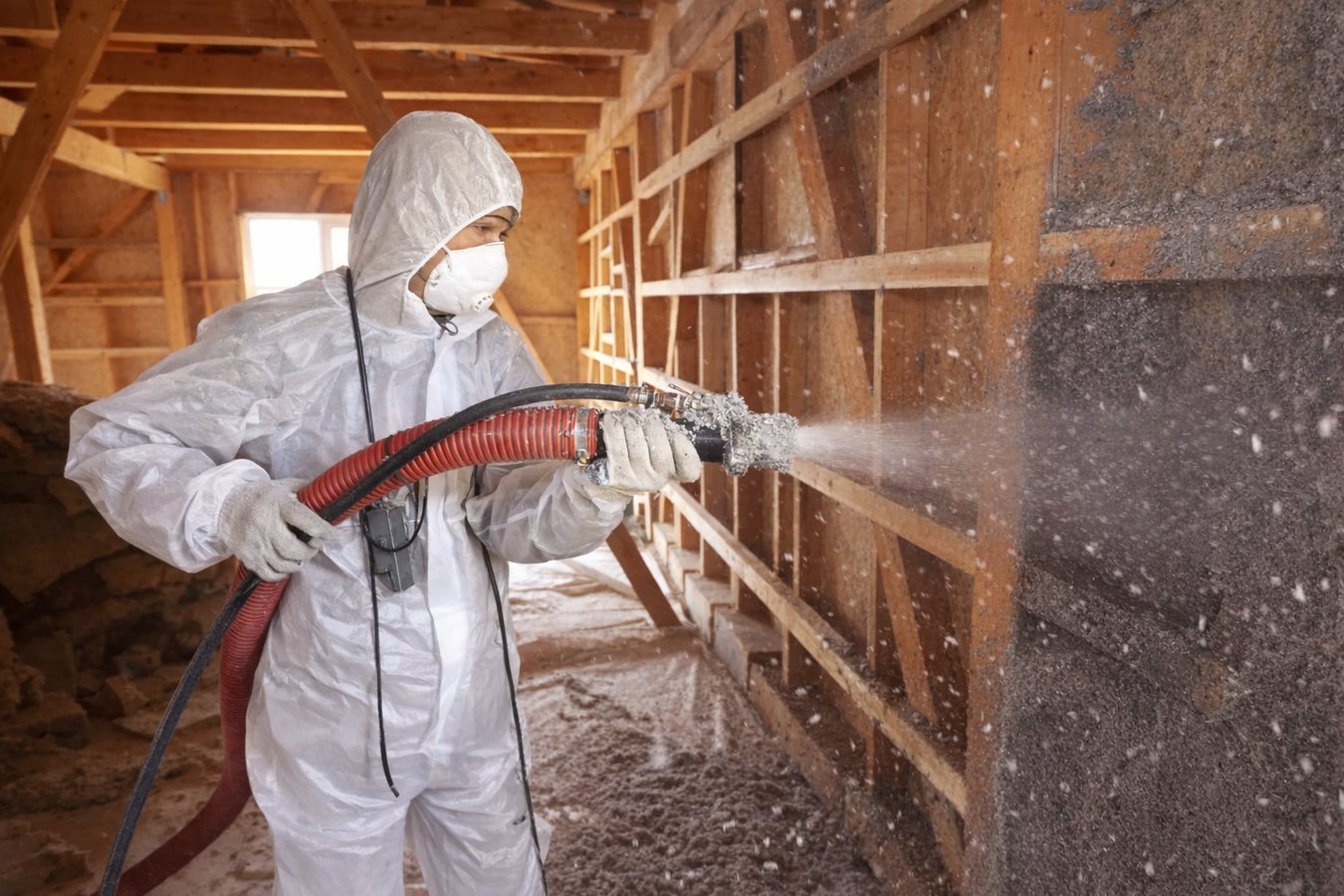
Santa Maria Insulation is an experienced insulation contractor serving Carpinteria, CA with home insulation, attic upgrades, and crawl space moisture control designed for the South Coast's older housing stock. We understand how salt air and seasonal rains affect bungalows and ranch homes throughout the city, and we reply to every inquiry within 1 business day.
Carpinteria's single-story ranch homes and bungalows were built primarily between the 1940s and 1970s, a period when insulation standards were a fraction of what California now requires. Many of these homes have never been upgraded and are losing energy through every exterior surface year-round. Home insulation for a Carpinteria bungalow typically covers the attic, crawl space floor, and any uninsulated wall cavities accessible without demolition, with attic work usually providing the fastest return.
Carpinteria summers are dry and sunny with intense UV exposure, and an under-insulated attic absorbs that heat all day and releases it into the living space in the evening. Homes with original fiberglass batts from the 1950s and 1960s have seen those materials compress and lose R-value over decades of heat cycling. Adding blown-in insulation over existing material brings the attic up to code quickly without disturbing finishes below.
Carpinteria's coastal moisture reaches crawl spaces under older homes and works on wood framing throughout the wet season. Uninsulated floor joists conduct cold and damp air directly up into first-floor living spaces, making floors uncomfortable and driving up heating costs. Insulating the floor cavity with appropriate materials and sealing the crawl space perimeter stops both the moisture intrusion and the cold-floor problem in most single-story homes.
Ground moisture under Carpinteria homes rises through the winter rainy season and persists into spring. Without a ground cover, that moisture evaporates directly into the crawl space framing, promoting mold and accelerating wood deterioration. A properly installed polyethylene vapor barrier sealed at seams and lapped up foundation walls is the primary defense against this in homes without a conditioned crawl space.
Older Carpinteria homes lose a significant fraction of conditioned air through gaps that developed as the structure settled over decades. These gaps are concentrated around recessed lights, attic hatches, top plates, and crawl space penetrations. Sealing them before installing new insulation is the step that makes the insulation actually work, and it is the part most homeowners do not realize was left out of older installations.
Carpinteria sits directly on the Pacific coast between Santa Barbara and Ventura, and the homes here deal with a combination of problems that inland contractors often underestimate. Salt air off the ocean degrades materials faster than in drier climates, particularly in crawl spaces where metal fasteners corrode, wood framing absorbs moisture, and fiberglass insulation loses its holding structure over time. This deterioration is slow enough that many homeowners do not notice it until a maintenance inspection surfaces the damage.
The housing stock in Carpinteria skews older. Most of the residential neighborhoods were developed between the 1940s and 1970s, and the dominant styles are single-story California bungalows and ranch homes on modest lots. Homes of this age typically have original insulation that has never been touched, and the air sealing practices that are standard today simply did not exist when these houses were built. The result is that even homes in good structural condition are losing more energy through air leakage than through conduction, and adding insulation without addressing air sealing first delivers less than half the expected benefit.
The hills above Carpinteria add a wildfire smoke and ember risk during the fall fire season, which drives demand for ember-resistant attic venting on homes at the hillside edge of the city. The 2017 Thomas Fire swept through neighboring communities and brought home the importance of attic venting and gutter management for properties near the foothills. While insulation itself is not a fire mitigation measure, an attic inspection for insulation work is a practical opportunity to check vent screens and clearances at the same time.
We work throughout Carpinteria and pull permits through the City of Carpinteria Building Division when projects require one. Standalone insulation upgrades in existing homes typically do not need a permit, but projects involving space conversions or mechanical changes do, and we confirm the requirement before scheduling every job.
The homes we work on in Carpinteria range from older bungalows near downtown and Linden Avenue to newer hillside homes above the 101 with larger attic footprints and retaining wall crawl spaces. The in-town homes are typically single-story with access to crawl spaces through small hatches, and working in tight spaces is a regular part of the job here. Hillside homes have more room to work but often have more complicated drainage and moisture conditions below the floor.
We also serve nearby Santa Barbara, just 12 miles northwest on the 101, where the housing stock and climate conditions are closely related but the building age and home values create a different set of priorities. Working both communities means our crews arrive in Carpinteria already familiar with what South Coast homes need.
We respond to all Carpinteria inquiries within 1 business day. You do not need to know exactly what you need yet; we will ask a few questions about your home's age, the areas you are concerned about, and any symptoms such as drafts, cold floors, or high bills that have prompted the call.
A technician comes to your Carpinteria home, checks the attic and crawl space in detail, measures current insulation depth, identifies air sealing gaps, and looks for moisture issues that need addressing before installation. The written estimate breaks costs down by area with no obligation to proceed.
We check with the City of Carpinteria whether a permit applies before setting a date. Once confirmed, we schedule the installation and tell you what to prepare, including any areas to clear and what re-entry timing to expect if spray foam is part of the scope.
Most Carpinteria jobs covering attic and crawl space are finished in one day. We walk you through what was done before leaving and leave documentation of materials and coverage. The final invoice matches the written estimate exactly.
We serve the whole city, from downtown bungalows near Linden Avenue to hillside homes above the freeway. Free estimates, written upfront, and we respond within 1 business day.
(805) 867-6950Carpinteria is a small coastal city of about 13,000 people tucked between the Santa Ynez Mountains and the Pacific Ocean, roughly 12 miles southeast of Santa Barbara along the 101 freeway. The city has a small-town character built around its beach, its downtown on Linden Avenue, and an agricultural heritage that is still visible in the greenhouse operations along the flatlands near the freeway. About 55 percent of housing units are owner-occupied, making it a community of homeowners with a long-term stake in maintaining their properties.
The dominant housing type is the single-family California bungalow or ranch home, mostly one story, mostly built between the 1940s and 1970s, on modest lots with stucco or wood exteriors. These homes are unpretentious and practical, but their age means they require consistent maintenance to stay ahead of the wear that salt air and seasonal rains accelerate. Newer homes exist on the hillside edges of town, generally built from the 1990s onward with larger footprints and tile roofs. Carpinteria State Beach, one of the most-visited stretches of sand on the South Coast, is a short walk from most of the in-town neighborhoods.
We serve Carpinteria alongside Santa Barbara to the northwest and Goleta beyond that. Homeowners across the South Coast share similar coastal climate conditions, and working all three communities means our crews arrive knowing what to look for before they even open the attic hatch.
Expands on contact to seal gaps and deliver a high R-value in walls, roofs, and crawl spaces.
Learn moreKeeps conditioned air inside and outdoor temperatures out through the most vulnerable zone of your home.
Learn moreLoose-fill material that fills irregular cavities and adds depth to existing insulation quickly.
Learn moreWhole-home coverage that reduces energy bills and improves comfort in every room.
Learn moreSafe removal of old, damaged, or contaminated insulation before new material is installed.
Learn moreProtects floors from cold and moisture by insulating the space beneath your living area.
Learn moreReduces heat transfer through exterior and interior walls for a quieter, more efficient home.
Learn moreCloses the small gaps and cracks that let conditioned air escape and allergens enter.
Learn moreInsulates foundation walls and rim joists to eliminate cold floors and damp air below.
Learn moreDense, moisture-resistant foam with the highest R-value per inch for tight spaces.
Learn moreSofter, cost-effective foam that excels at soundproofing and filling large cavities.
Learn moreSeals bypasses between conditioned space and the attic before new insulation is added.
Learn moreHeavy-duty plastic sheeting that blocks ground moisture from entering the crawl space.
Learn moreInstalls moisture control barriers in walls, floors, and crawl spaces to prevent condensation damage.
Learn moreUpgrades insulation in existing homes without requiring major demolition or reconstruction.
Learn moreInsulation solutions for offices, warehouses, and multi-unit buildings that reduce operating costs.
Learn moreOlder homes on the South Coast need contractors who understand what coastal conditions do to insulation over time. Call or submit your request and we will have an answer back to you within 1 business day.