
Closed-Cell Foam Insulation
Closed-cell foam is often the best choice for basement walls where moisture resistance and high R-value per inch both matter.
Learn moreServing Santa Maria, CA and surrounding areas. (805) 867-6950
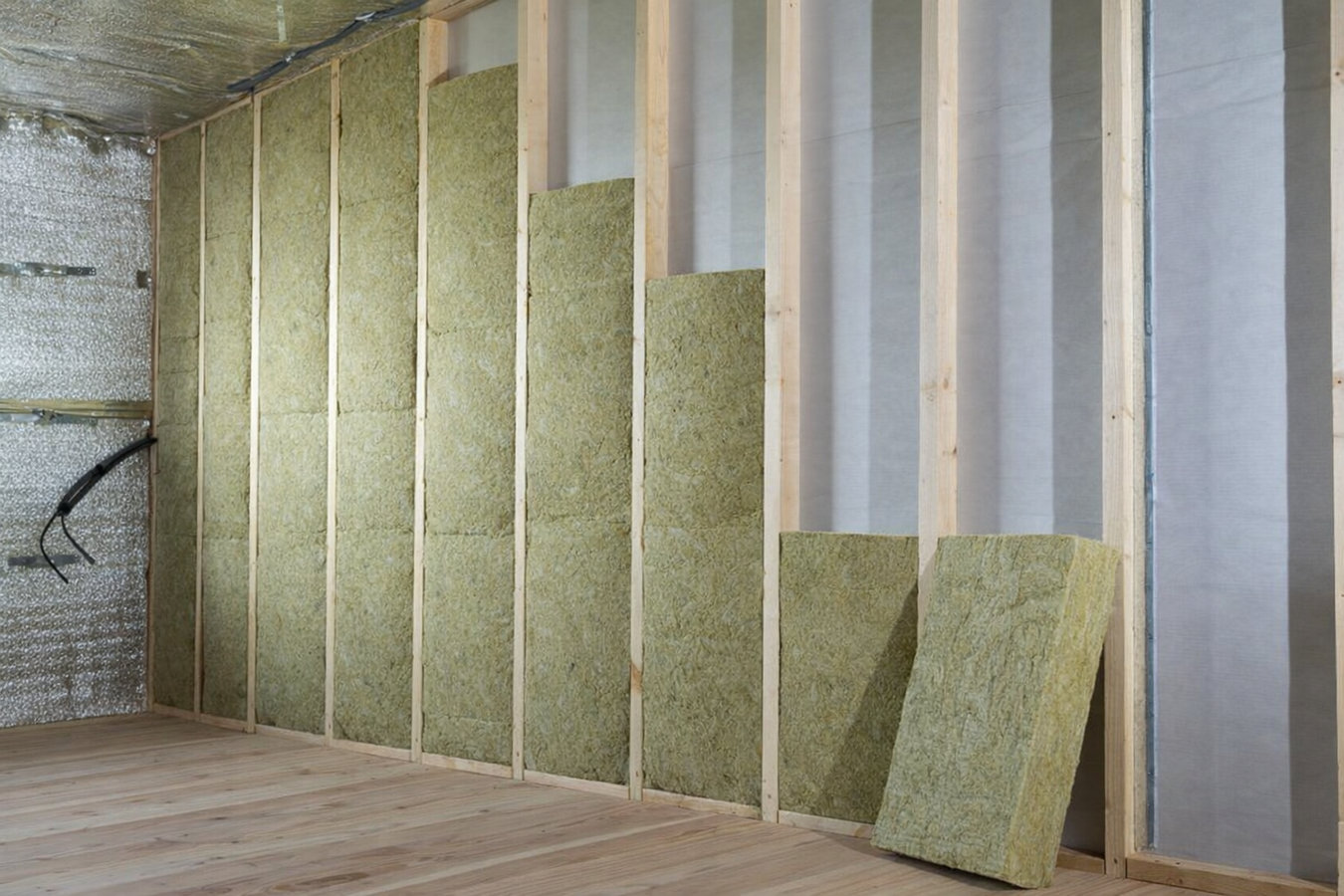
Cold floors and drafty first-floor rooms are signs your basement is pulling heat out of your home. We insulate basement walls and ceilings to fix that, and we handle the permit so you do not have to.
Basement insulation in Santa Maria slows heat loss through your foundation walls and floor ceiling - most residential jobs focus on the basement walls, the rim joist, or the ceiling above, and are completed in one to two days. The work stops cold air from the ground and outside walls from bleeding into your living space and making your heating system work harder than it should.
Many Santa Maria homes built between the 1950s and 1980s were constructed with little or no basement insulation by today's standards. If your first-floor rooms feel cold underfoot in the mornings or your energy bills have crept up without an obvious explanation, the basement is a likely starting point. In homes where moisture is also a factor, we check for it before any insulation goes in, because sealing over a damp surface creates problems instead of solving them. If you are also dealing with cold floors connected to a crawl space rather than a basement, our crawl space insulation service addresses the same underlying issue.
Every basement insulation project we do includes a written estimate, permit handling, and a final walkthrough - so you know exactly what was done and why.
If the floors above your basement feel noticeably cold underfoot in the morning even when outside temperatures are only in the 50s, the basement is pulling heat out of your living space. Santa Maria's marine climate means cool air settles in overnight almost every month of the year, and an uninsulated basement amplifies that effect. This is one of the most common complaints homeowners describe before getting insulation installed.
If your energy bills have crept up or your system seems to run longer cycles to reach the same temperature, the basement is a likely culprit. Heat moves toward cold, and an uninsulated basement gives it an easy path out of your home. This is especially noticeable in older Santa Maria homes where original insulation, if any was installed, has settled or degraded over decades.
A persistent musty odor or visible moisture on concrete walls is a sign that humid air is moving through the basement unchecked. In Santa Maria's coastal climate, the damp marine air finds its way in through gaps and uninsulated surfaces. Left alone, this moisture can lead to mold and damage to stored belongings; addressing it alongside insulation is the right sequence.
If one or two rooms on your first floor are always a few degrees cooler than the rest of the house, and those rooms sit above the basement, the connection is usually straightforward. The basement ceiling is acting as a heat sink. Insulating that surface is often the most direct fix for uneven temperatures in the rooms above.
We insulate basement walls, rim joists, and the ceiling above unfinished basement spaces. The right approach depends on whether your basement is conditioned - meaning it is heated or cooled - or left open to outside temperatures. For conditioned basements, insulating the walls is usually the priority. For unconditioned basements, insulating the ceiling above is often more effective and straightforward.
For walls where moisture is a concern, we often recommend closed-cell foam insulation, which creates a moisture barrier and insulates in a single layer. Rigid foam board is another option well suited to basement walls, particularly in homes where a continuous vapor barrier is needed. Fiberglass batts work well for basement ceilings, especially in unfinished spaces where budget is a primary consideration. We give you a clear recommendation based on your specific basement, not a one-size-fits-all answer.
We also handle rim joist sealing, which is one of the most commonly overlooked air leak points in older Santa Maria homes. The rim joist sits where the floor framing meets the top of the foundation wall, and it is often completely uninsulated in homes built before the 1990s. Sealing it with spray foam or rigid foam has an outsized effect on how tight the home feels.
Best for conditioned basements - insulates interior concrete or block walls to stop heat loss and prevent condensation.
Ideal for unconditioned basements - insulates the underside of the first floor to keep living areas above warm and comfortable.
Suited for older Santa Maria homes where the gap between the foundation wall and floor framing is uninsulated and leaking air.
Best for moisture-prone environments - creates a vapor barrier and air seal in one pass, ideal for coastal climates like Santa Maria's.
Santa Maria sits in a coastal valley where cool, damp air rolls in from the Pacific most evenings and mornings, even in summer. That persistent moisture means basements here are more prone to condensation on walls and floors than homes in drier inland areas. Before any insulation goes in, we check carefully for signs of moisture intrusion, because insulating over a damp wall traps the problem rather than solving it. This is a step some contractors skip, and it is one of the main reasons insulation jobs fail prematurely in this climate.
A significant portion of Santa Maria's residential neighborhoods were built between the 1950s and 1980s, a period when basement insulation was minimal or nonexistent by today's standards. Homes from that era were often built with little to no insulation in basement walls and no rim joist sealing at all. California's energy code has since established minimum performance requirements for insulated spaces, and any permitted insulation project must meet those minimums. We serve homeowners throughout the Santa Maria Valley, including those in Arroyo Grande, Pismo Beach, and Lompoc who are dealing with the same mid-century housing stock and coastal moisture conditions.
Santa Maria rarely sees freezing temperatures, but cool marine nights - temperatures regularly drop into the low 50s even in July - mean an uninsulated basement steadily pulls warmth out of your floors for much of the year. Insulating here is less about surviving extreme cold and more about eliminating that persistent low-level chill that makes the house feel drafty on a mild day.
We reply within one business day. We will ask a few basic questions about your basement size, whether it is finished or unfinished, and what problem you are trying to solve. There is no charge for the initial visit and no obligation to book.
A contractor walks through your basement, checks the walls, ceiling, framing, and any existing insulation, and looks for signs of moisture - because in Santa Maria's coastal climate, that step matters before any insulation goes in. You receive a written estimate that explains what we recommend and why.
For most basement insulation projects in Santa Maria, a building permit is required. We handle the permit for you - you do not need to visit the building department. The permit process typically adds a few days to the timeline, but it means the finished work will be independently inspected.
Most residential jobs take one to two days. The crew works in the basement, cleans up before leaving, and the contractor schedules the required inspection. Once it passes, we walk you through the finished work and answer any questions before closing out the project.
Free in-home estimate. We handle the permit. No commitment required.
(805) 867-6950We assess for moisture intrusion before any insulation goes in. In Santa Maria's coastal climate, skipping that step is how a new installation fails within a few years. We flag moisture issues during the estimate and tell you honestly what needs to happen first.
We work throughout Santa Maria and 11 surrounding communities, from Lompoc to San Luis Obispo. That means we are familiar with the local housing stock, local building departments, and the specific conditions that affect how basement insulation performs in this area.
California requires permits for most basement insulation projects, and we pull them on every job where they apply. A permitted job is an inspected job - and that documentation protects you when you sell the home. We do not cut corners on this, because our reputation depends on the work holding up over time.
We give every homeowner a written estimate that breaks down what we recommend and why, so you can compare it with other quotes. The ENERGY STAR program, backed by the U.S. Environmental Protection Agency, sets standards we reference when designing installations - you can learn more at energystar.gov. You will never be pushed toward more work than you need.
Every one of our installers works on homes in this specific market and understands how Santa Maria's coastal conditions affect the way insulation performs. When you call us, you are not talking to a call center - you are talking to people who have worked in this zip code.
Closed-cell foam is often the best choice for basement walls where moisture resistance and high R-value per inch both matter.
Learn moreIf your home has a crawl space instead of a full basement, this is the service that addresses cold floors and under-floor moisture.
Learn moreWe are booking jobs now and can have someone at your home within the week. The sooner the basement is insulated, the sooner you stop paying to heat a leaky space.